Skip to content
I’ve seen hundreds of new brands enter the cream charger business.
Some scale fast. Some quietly disappear.
But here’s the uncomfortable truth I’ve learned as a manufacturer:
Roughly 80% of cream charger startups never place a second order.
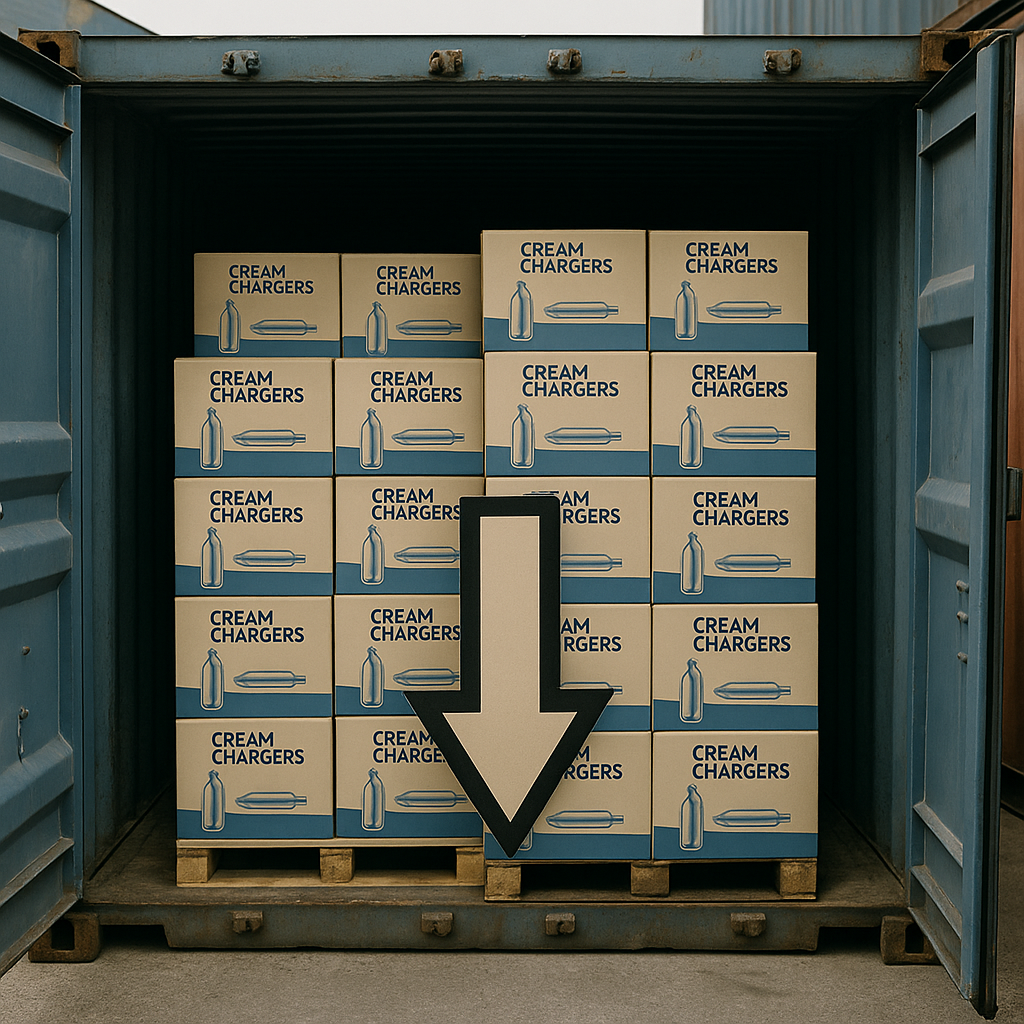
It’s not always because of bad products or poor marketing.
Often, it’s the small, overlooked mistakes—things that seem harmless during the first shipment—that kill the brand before it ever takes off.
Let me break down what I’ve seen go wrong, and what I wish more new buyers understood before they placed that first container order.
1. They Go Too Wide, Too Early
New buyers often want:
- 8g
- 580g
- 640g
- 3.3L
- Flavored + unflavored
- Stickers + printed tanks
- Custom boxes + plain cartons
- Accessories + refills
They want it all—in one shipment. But that complexity kills speed, increases labeling errors, and leads to overstock on slow SKUs.
💡 Smart clients test one hero SKU first. Then scale what works.
1. They Go Too Wide, Too Early
New buyers often want:
- 8g
- 580g
- 640g
- 3.3L
- Flavored + unflavored
- Stickers + printed tanks
- Custom boxes + plain cartons
- Accessories + refills
They want it all—in one shipment. But that complexity kills speed, increases labeling errors, and leads to overstock on slow SKUs.
💡 Smart clients test one hero SKU first. Then scale what works.
2. They Ignore Compliance—Until Customs Blocks the Shipment
A box might look good on Canva, but if it doesn’t say:
- UN1070
- π 0035 (TPED)
- CE + batch no.
- Net weight in g/kg
- Proper warning icons in the right language
…it’s likely to be flagged or fined at EU ports.
I’ve seen clients stuck in port for 3 weeks over a missing sticker.
That delay alone killed their retail launch window—and the brand never recovered.
3. They Choose the Cheapest Supplier, Not the Best Partner
If your supplier:
- Has no real photos
- Sends reused certificates
- Avoids sample testing
- Can’t explain shipping terms
- Quotes way below average
…then your business is already in danger.
🎯 I always say: “Cheap can cost more.”
A proper factory should:
- Walk you through labeling
- Help with unboxing experience
- Offer testing reports
- Give advice on what not to do
If they don’t, you’re not buying N2O—you’re buying problems.
4. They Don’t Plan for Storage, Returns, or Refunds
What happens if:
- A customer complains about a leak?
- The regulator doesn’t fit?
- Local authorities request documents?
- A reseller demands QR tracking?
Most new brands aren’t ready. They think once the tank leaves the factory, the job is done.
But serious brands prepare:
- User manuals
- Return policy templates
- Warehouse stock flow planning
- Regulator + tank compatibility guides
And they build trust before problems even happen.
5. They Launch Without a Sales Plan
Here’s a hard truth:
If you don’t know who you’re selling to, you won’t sell.
Some buyers assume:
“Once the product arrives, I’ll figure it out.”
Others rely on vague promises:
“My friend owns a store.”
“We’ll try TikTok.”
“Amazon should pick it up.”
That’s not a launch strategy.
🧠 Clients who grow typically:
- Have 2–3 ready resale channels (online/offline)
- Launch with 1–2 key accessories
- Offer multilingual packaging
- Have tested their unboxing experience with real users
Conclusion
The first container is the real test—not just of your supplier, but of your system.
Don’t make your brand’s first shipment its last.
Simplify your SKUs.
Verify compliance.
Choose partners, not shortcuts.
Prepare for post-shipment support.
And most importantly—sell with intention.
👉 Want help structuring your first container the right way? Let’s plan it together →